
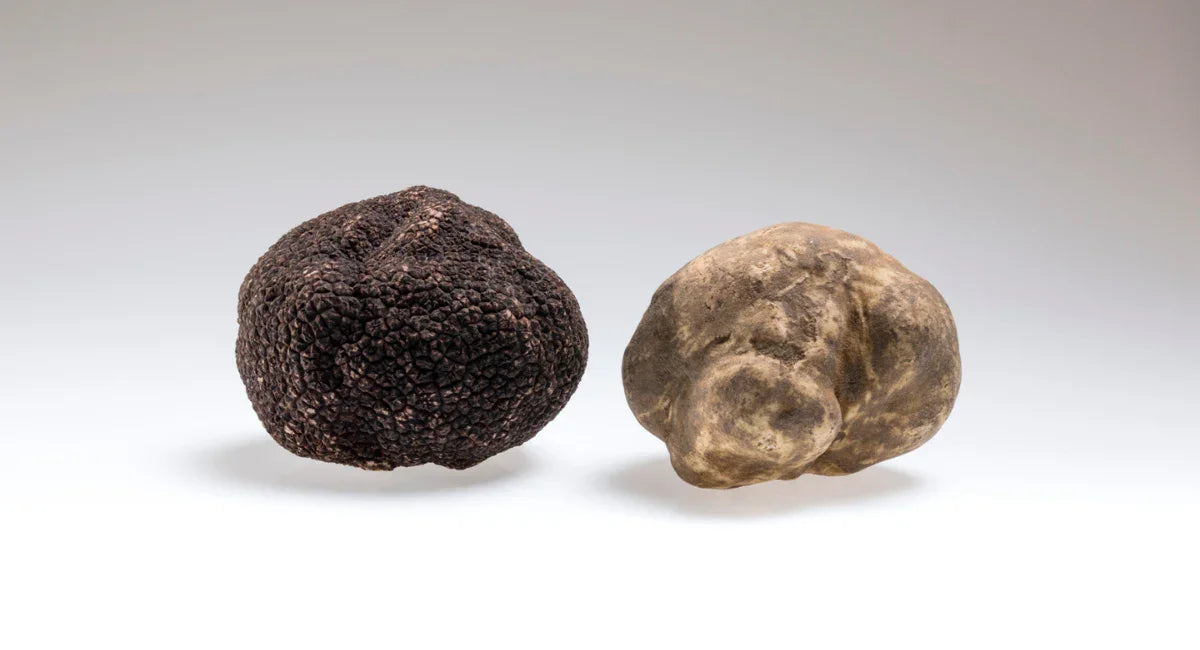
The Difference Between Black Truffle and White Truffle
Truffles, the underground treasures of the culinary world, captivate food lovers with their unique flavors and rarity. Among the most prized are black truffles and white truffles, each offering distinct characteristics that elevate dishes in their own way. At Appennino, we bring you authentic truffle products sourced from the heart of Italy, and this guide explores the differences in flavor, season, and best uses to help you choose the perfect truffle for your next meal.
Both black and white truffles grow underground near tree roots, often in regions like Valsamoggia, Italy, where our family has perfected the art of truffle foraging. Their scarcity and labor-intensive harvest make them delicacies, but their flavor profiles and culinary applications set them apart. Let’s dive into what makes each special.
Flavor: A Tale of Two Tastes
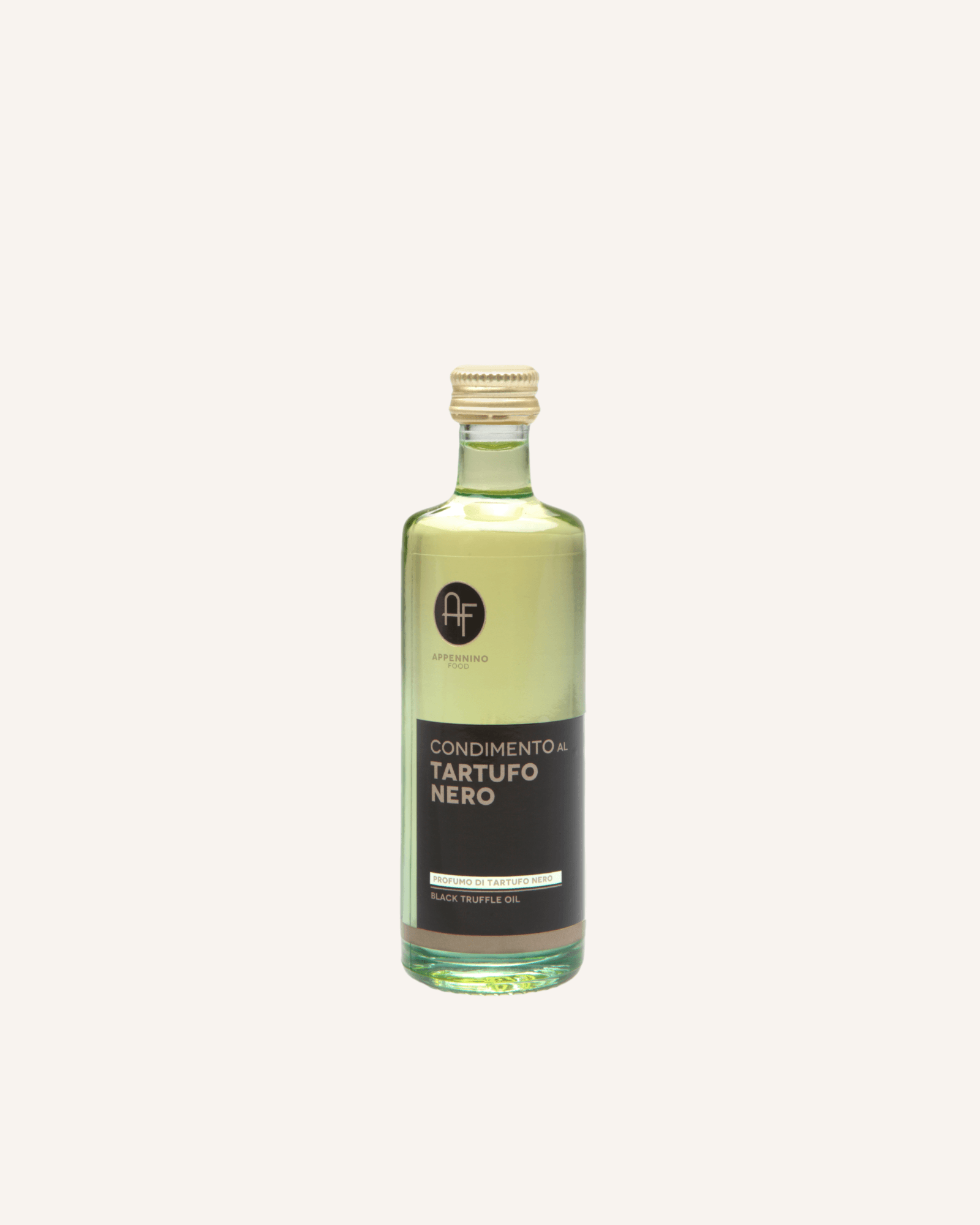
Black truffles, often known as Périgord truffles, deliver a robust, earthy flavor with rich, nutty undertones. Their taste deepens when lightly cooked, offering a savory umami kick that enhances hearty dishes. Try our Black Truffle Olive Oil to experience this intensity.
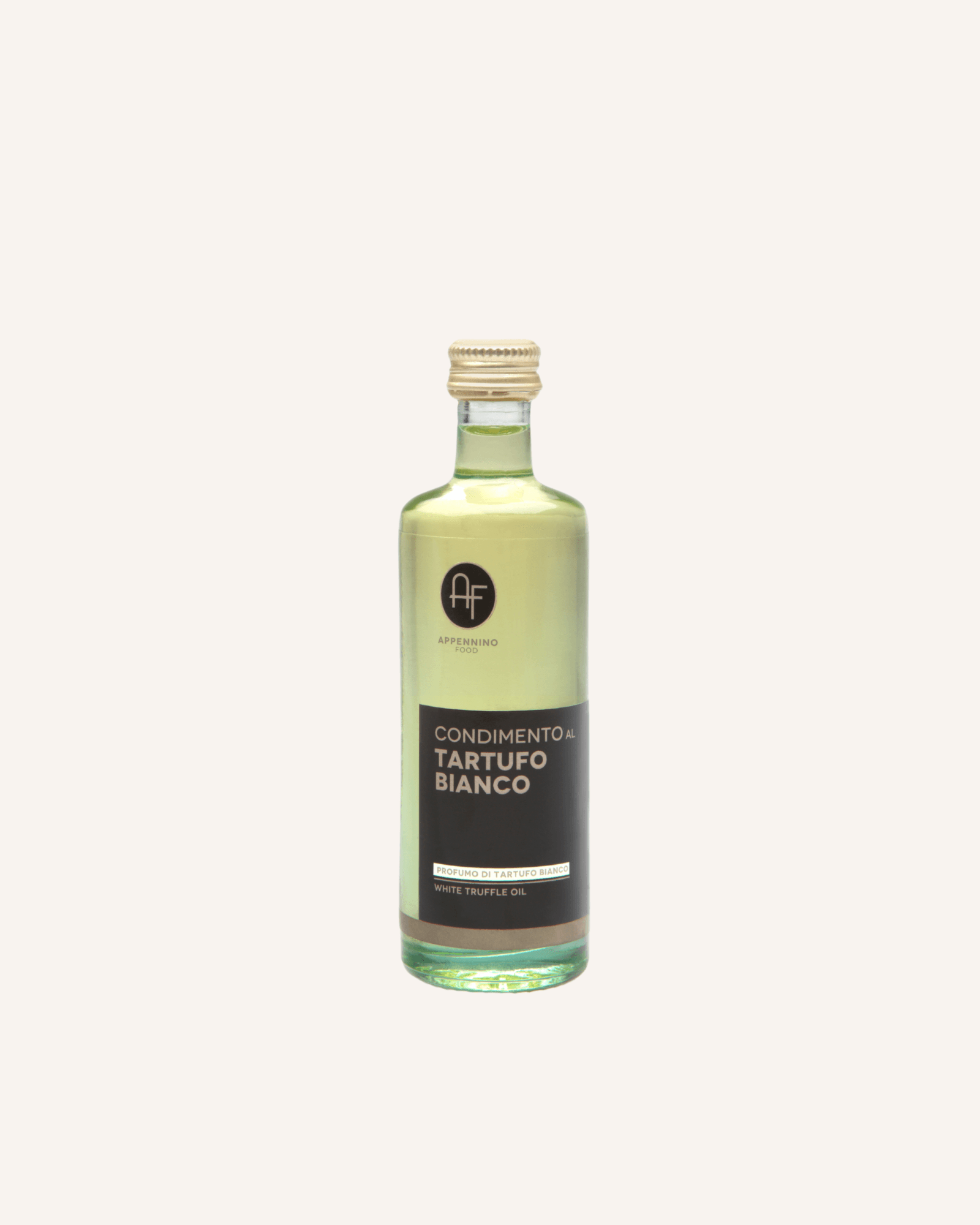
White truffles, or Alba truffles, boast a more delicate yet pungent aroma, blending garlicky and musky notes with a hint of cheese. Their flavor shines when used raw, adding a bold finish to lighter fare. Elevate your dishes with our White Truffle Olive Oil.
The contrast is striking: black truffles warm and envelop, while white truffles excite with their sharp, fleeting scent. This difference makes black truffles ideal for slow-cooked meals where their notes can meld, and white truffles perfect for a fresh, last-minute flourish.
Season: Timing the Truffle Harvest
Truffle season dictates availability, adding to their allure. White truffles peak from September to December, with October and November being the prime months to savor their intensity. The cooler fall air concentrates their aromas, making this short window highly anticipated by chefs worldwide.
Black truffles shine later, from December to February, offering a winter indulgence. Their longer season makes them slightly more accessible, providing a steady supply during the holidays. Both seasons align with Italy's natural cycles, ensuring truffles are harvested at peak ripeness.
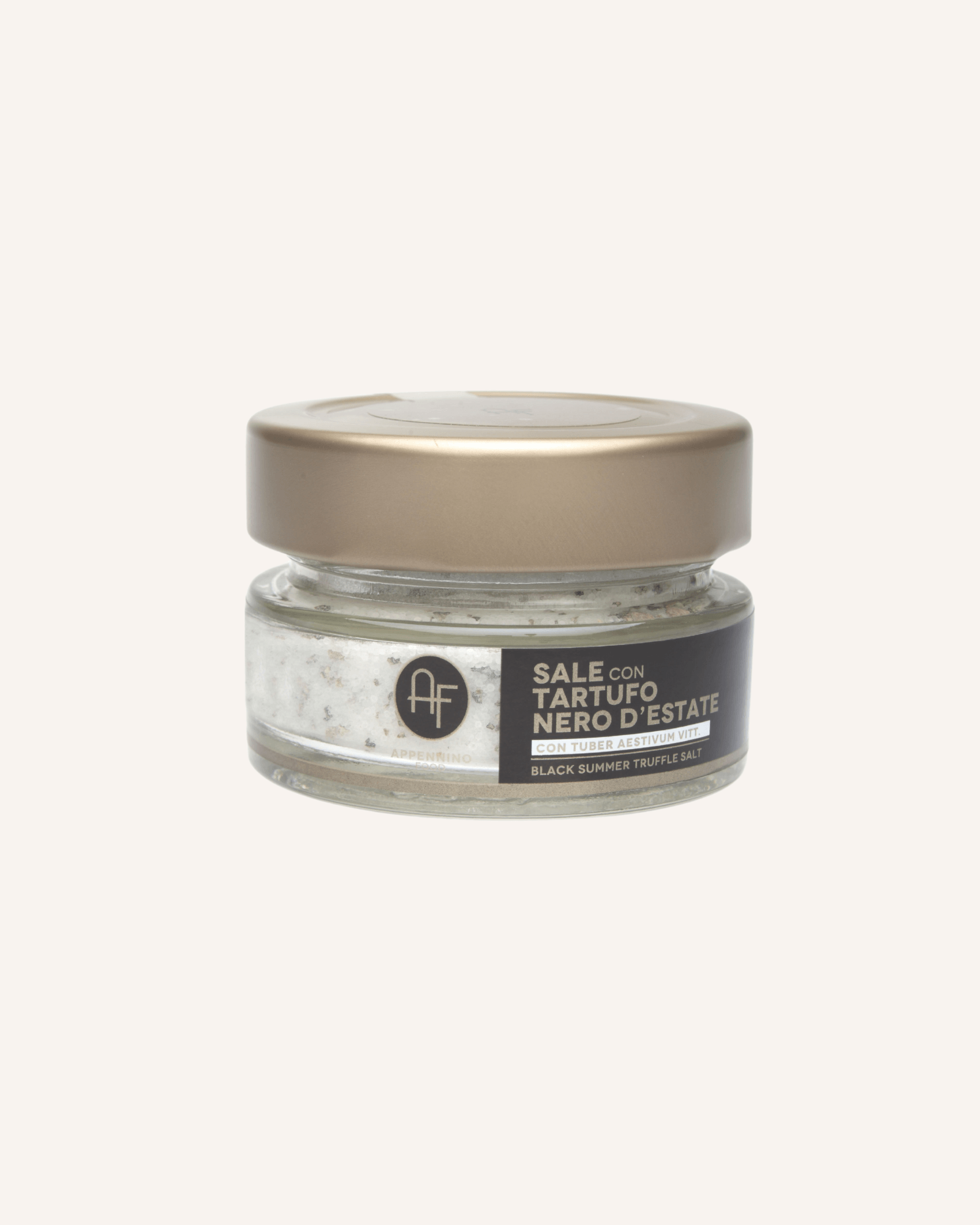
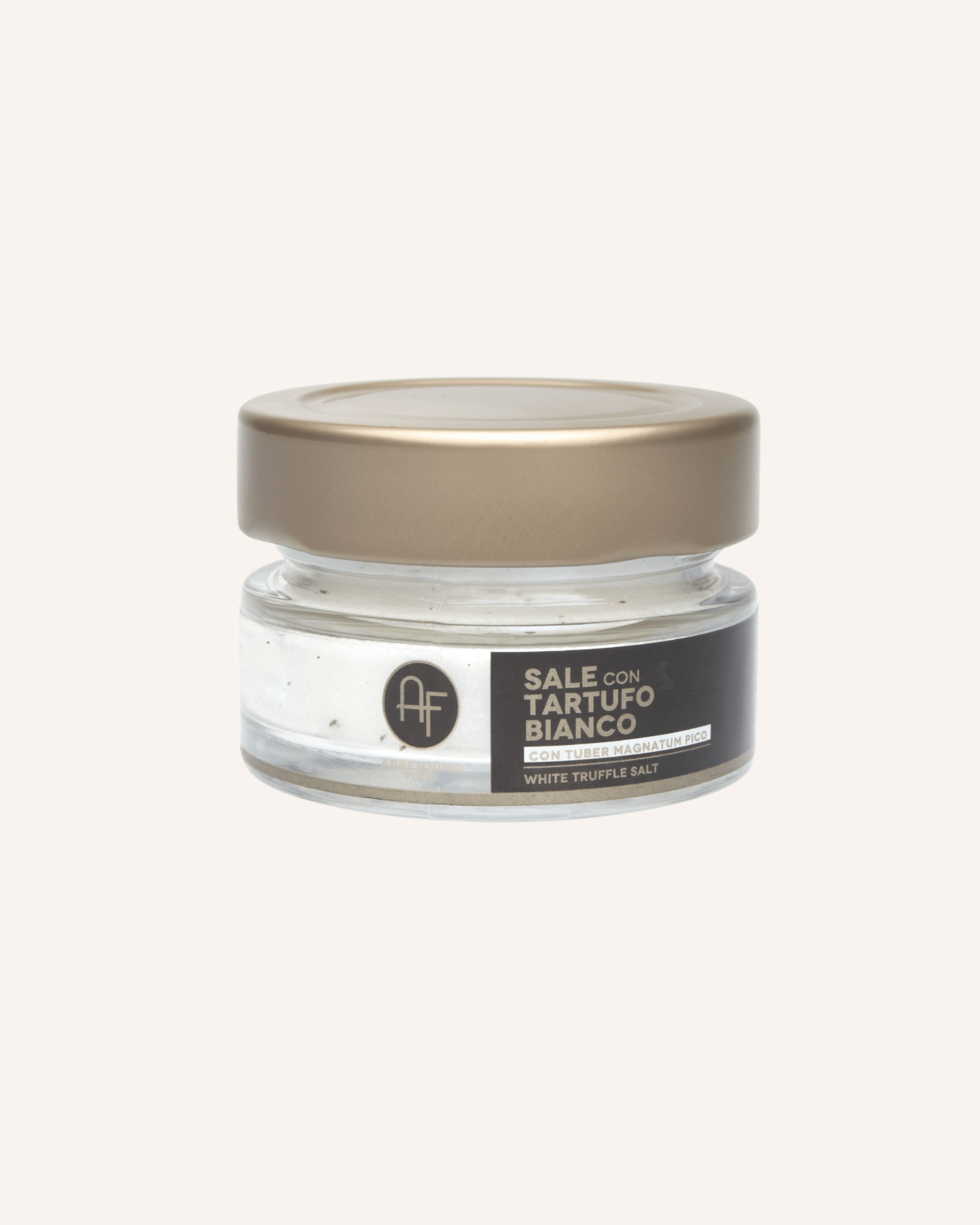
Timing your purchase with these seasons ensures the freshest, most flavorful experience. At Appennino, we source during these periods to maintain quality in our products like Black Truffle Salt and White Truffle Salt.
Best Uses: Cooking with Confidence
Knowing how to use each truffle maximizes their potential. Black truffles thrive in cooked dishes, where heat unlocks their depth. Add Black Truffle Salt to roasted potatoes or stir Black Truffle Olive Oil into a rich ragu for a savory boost. They're excellent in risottos, pastas, and meats, where their nutty profile builds layers of flavor over time.
White truffles are best enjoyed raw, shaved over warm pasta or eggs to preserve their delicate aroma. Use White Truffle Salt as a finishing touch, or drizzle White Truffle Olive Oil on risotto for elegance. Their pungent notes complement simple dishes like scrambled eggs, salads, or fresh cheeses, where they can shine without overpowering.
In both cases, moderation is key—truffles are potent, so a little goes a long way. Experimenting with our products allows you to discover personal favorites, whether in bold black truffle applications or subtle white truffle accents.
Why Appennino Truffles Stand Out
At Appennino, our truffles are foraged sustainably from Italy’s finest regions, ensuring authenticity and quality. We offer a range of products to suit every cook, from oils to salts. Our Black Truffle Olive Oil and White Truffle Olive Oil are infused at low temperatures to preserve flavor, while our Black Truffle Salt and White Truffle Salt add a gourmet twist to seasoning.
These products make it easy to incorporate truffles into everyday cooking without the hassle of fresh foraging. Whether you're a home chef or a professional, Appennino brings the essence of Italian truffles to your kitchen with unmatched purity.
Storage Tips for Peak Flavor
To preserve the magic of truffles, store oils and salts in a cool, dark place, away from heat. Whole truffles should be kept in a sealed container with rice or paper towels in the fridge, used within a week for optimal taste. This ensures every use delivers the full, fresh aroma that makes truffles unforgettable.
Bring Truffle Luxury Home
Whether you prefer the earthy warmth of black truffles or the pungent elegance of white truffles, Appennino offers the finest products to transform your cooking. From oils to salts, each item reflects Italy’s culinary heritage. Start exploring today and savor the difference!
Got a favorite truffle dish? Tag us with @appenninousa. Sign up for our newsletter for more tips and exclusive offers.
Frequently asked questions about truffle oil
What is the difference between black and white truffle oil?
Black truffle oil generally has an earthy, savory profile, while white truffle oil is often more aromatic. The flavor also depends on the base oil and the exact formula. Read the ingredients rather than choosing only by the color named on the bottle.
Which Appennino truffle is used in the classic black and white oils?
Appennino's classic Black Truffle Olive Oil lists 0.2% dried Tuber melanosporum Vitt., a black winter truffle. Its classic White Truffle Olive Oil lists 0.2% dried bianchetto truffle, Tuber albidum Pico. Both contain extra virgin olive oil and flavouring.
Is white truffle oil made with the same truffle as fresh Alba white truffle?
Not necessarily. Fresh prized white truffle is Tuber magnatum, while Appennino's classic White Truffle Olive Oil lists bianchetto, Tuber albidum Pico. White-truffle products can use different species and formulas; check the exact label.
Should I choose black or white truffle oil for pasta?
Use black truffle oil when you want an earthy finish with mushrooms, potatoes, or a savory pasta dish. Try white truffle oil on simple buttered pasta, rice, cheese, or eggs. Add a few drops, taste, and choose the profile you enjoy.
Can black and white truffle oil be used in the same way?
Both can be added in small amounts to a finished dish. Cooking the base dish first and adding the oil near serving lets you adjust the aroma gradually. The two oils need not be used in equal amounts because their intensity can differ.
Does truffle oil replace fresh truffles?
Truffle oil is a convenient finishing condiment. Fresh truffles provide their own texture, seasonal character, and changing aroma. Choose oil for an easy pantry finish and fresh truffle when you want freshly shaved or grated truffle in the dish.
Are all black truffles harvested in winter?
No. Black winter truffle and black summer truffle are different species with different seasons. The Fresh Italian Black Summer Truffles sold by Appennino are Tuber aestivum Vitt.; do not apply a black winter truffle season to every black truffle.
How should I store black or white truffle oil?
Store the classic Appennino oils away from light and heat and keep the cap closed. Follow the bottle's current storage and best-before instructions. Fresh whole truffles require a different storage method from bottled oil.
For bottle details, see Black Truffle Olive Oil and White Truffle Olive Oil. For meal ideas, read our truffle oil cooking guide and browse Recipes.
Read more
Enhance your dishes with Appennino’s truffle products paired with Italian herbs. Discover 5 creative ways to use Black Truffle Olive Oil and White Truffle Olive Oil, featuring our Chicken in Brocco...
Discover why authentic Italian truffles command premium prices—and why they're worth every penny. Learn what separates real truffles from synthetic imitations, explore the labor-intensive foraging ...