
Best Truffle Oil in 2026: 5 Brands Compared Honestly
Shopping for truffle oil is harder than it should be. Some bottles are built around a great olive oil, some emphasize real truffle on the ingredient list, and others win on aroma, price, or convenience. The right choice depends on what you actually cook.
We compared five widely discussed options using their current product pages, ingredient disclosures, bottle sizes, everyday usefulness, and published independent tasting results. We did not pretend that every bottle was tested side by side in our kitchen.
Key takeaways
- Best overall for Italian home cooking: Appennino Black Truffle Olive Oil.
- Best independent taste-test pick: TRUFF White Truffle Oil.
- Best value and convenience: California Olive Ranch Black Truffle EVOO.
- Best organic sampler: daRosario Organic White and Black Truffle Oil Set.
- Use truffle oil at the end: Add a few drops after cooking so the aroma stays clear.
- Choose by dish: Black truffle oil suits heartier savory food; white truffle oil gives a more aromatic finish.
Quick answer: Appennino Black Truffle Olive Oil is our overall pick for Italian home cooking. It combines an extra-virgin olive oil base with dried black winter truffle named on the label, starts with a practical 60 ml bottle, and works especially well on pasta, eggs, potatoes, polenta, meat, and vegetables.
If independent taste-test results matter more to you than Italian origin, TRUFF White Truffle Oil is the stronger evidence-backed choice. Sporked rated it first in a tasting of 10 truffle oils.
The five truffle oils worth comparing
| Product | Best for | What stands out | Honest limitation |
|---|---|---|---|
|
Our overall pick Appennino Black Truffle Olive Oil |
Italian home cooking | Extra-virgin olive oil, dried black winter truffle listed at 0.2%, and a small 60 ml entry bottle. | This guide is published by Appennino, and the oil also contains flavouring. |
| TRUFF White Truffle Oil | Independent taste-test winner and gifting | Sporked's highest-rated bottle; the official ingredients list includes olive oil, white truffle oil concentrate, and white truffle. | Higher price and a more pronounced white-truffle profile that can dominate delicate food. |
| California Olive Ranch Black Truffle EVOO | Budget-friendly grocery use | Large squeeze bottle, approachable price, and Sporked's pick for best black truffle oil. | Less useful for shoppers specifically seeking an Italian truffle producer or a small trial bottle. |
| daRosario Organic White and Black Truffle Oil Set | Certified-organic sampler | Two 1.76 oz bottles let a new buyer compare white and black profiles without buying full-size bottles. | The set costs more per ounce than a large bottle, and the brand's organic and flavoring statements are its own product claims. |
| Urbani White Truffle Oil | Heritage-brand splurge | Broad white- and black-truffle oil range from one of the best-known names in the category. | Its smaller white-truffle bottle costs more than Appennino's 60 ml entry size. |
How we chose the winner
This is an editorial buying guide, not a laboratory test. We gave the most weight to four things that matter after the bottle reaches your kitchen:
- Label clarity: Does the product page name the base oil, truffle species or truffle ingredient, and any flavouring?
- Everyday usefulness: Is the oil versatile enough for pasta, eggs, potatoes, vegetables, and other realistic home-cooked dishes?
- Low-risk first purchase: Can a new shopper try a sensible bottle size without committing to a large bottle?
- Outside evidence: Where an independent publication conducted a real taste test, we treat that as stronger taste evidence than a brand's own description.
Editor’s note: This guide is published by Appennino Food and uses public product information and independent taste-test sources.
Appennino wins our overall pick because it performs well across the first three criteria and is made for the way Italian home cooks use truffle oil: a few drops, added at the end, over warm food. TRUFF wins on independent taste evidence. California Olive Ranch wins on price and convenience. Those distinctions are more useful than pretending one bottle is objectively best for everyone.
1. Appennino Black Truffle Olive Oil: best overall for Italian home cooking

Why it earns the top spot
Appennino takes our overall spot because it solves the most common first-purchase problem: it is small enough to try, transparent enough to evaluate from the label, and versatile enough to use across a normal week of cooking. The official ingredient list names extra-virgin olive oil, dried black winter truffle (Tuber melanosporum) at 0.2%, and flavouring. That does not make it equivalent to freshly shaved truffle, but it tells the shopper more than vague front-label language alone.
The 60 ml format matters. Truffle oil is a finishing ingredient, not a frying oil, and a few drops can change an entire plate. A small bottle reduces the chance that a first-time buyer pays for a large format that sits open beside the stove. Appennino also offers 250 ml and food-service sizes for cooks who already know they will use it frequently.
Black truffle is the safer all-purpose profile for most savory kitchens. It fits soft polenta, scrambled eggs, roasted potatoes, mushrooms, steak, chicken, root vegetables, and simple pasta without demanding a special recipe. The extra-virgin olive oil base also contributes its own fruit and texture, which makes the bottle feel like a finishing oil rather than a neutral aroma carrier.
The honest limitation is that the product contains flavouring and has not appeared in the independent Sporked tasting cited in this guide. Our recommendation is therefore based on the disclosed label, format, origin, price, and practical range—not a claim that it defeated every competitor in a blind tasting.
- Italian extra-virgin olive oil base.
- Dried black winter truffle and percentage named on the label.
- Small trial size plus a larger repeat-buyer size.
- Earthy black-truffle profile suits savory food.
- It contains flavouring.
- The olive oil has its own flavor; a neutral base may suit some recipes better.
- It has not appeared in the independent Sporked comparison cited here.
Best for: a first truffle-oil purchase, Italian-style home cooking, and shoppers who want a small black-truffle bottle with a clearly stated ingredient list.
2. TRUFF White Truffle Oil: best independent taste-test pick

TRUFF deserves the strongest competitor treatment in this guide because it has the best independent tasting result. Sporked tasted 10 truffle oils straight and on bread, rated TRUFF White Truffle Oil 9/10, and named it the best of the test. That is stronger evidence about flavor than any brand describing its own bottle.
The official ingredient list is short: olive oil, white truffle oil concentrate, and white truffle (Tuber magnatum). TRUFF describes the white oil as less earthy than its black version and recommends it for lighter foods. In practice, that means white pizza, fish, eggs, risotto, buttered pasta, potatoes, and dressings where the aroma should sit above rather than underneath the dish.
Packaging is part of the appeal. The black-and-gold bottle looks intentional enough for a host gift, and the product has the brand recognition that Appennino does not yet have in the United States. If your buyer is skeptical of a retailer-owned ranking, the 9/10 independent result gives TRUFF a clear reason to remain in the article.
The tradeoff is intensity and price. White-truffle profiles can dominate mild food when poured rather than drizzled, and TRUFF's current official price is higher than Appennino's 60 ml entry bottle. It is the better evidence-backed splurge, not automatically the better everyday choice.
- Highest score in Sporked's 10-oil tasting.
- Short official ingredient list that names white truffle.
- Gift-ready packaging and broad US brand recognition.
- Well suited to eggs, fish, risotto, white pizza, and buttered pasta.
- More expensive than several everyday options.
- The aromatic white-truffle profile is easier to overuse.
- Buyers who prefer an Italian producer may favor Appennino or Urbani.
Best for: shoppers who want the strongest independent taste-test evidence, a recognizable gift bottle, and an assertive white-truffle finish.
3. California Olive Ranch Black Truffle EVOO: best for value and convenience

California Olive Ranch is the practical value pick. Its squeezable chef's bottle is easier to control over fries, pizza, salad, vegetables, macaroni and cheese, and sheet-pan dinners than a traditional pour-top bottle. The official page describes nutty and mushroom notes and currently positions the oil as an everyday pantry staple rather than a rare luxury.
It also has meaningful outside evidence. Sporked rated the black-truffle oil 8.5/10, called it rich, earthy, and aromatic, and named it the best black truffle oil in the tasting. For readers who want black truffle but do not want to rely on Appennino's own recommendation, this is the most persuasive alternative.
The value case is simple: the official page showed a $14.99 one-time purchase when this guide was checked, and the squeeze format encourages frequent use. That makes it a sensible choice for fries, dressings, pizza nights, and households that already know they enjoy truffle-flavored oil.
The limitation is positioning and label specificity. This is a flavored California EVOO, not a small bottle from an Italian truffle producer. The official page's displayed ingredient section says extra-virgin olive oil while the product title says black-truffle flavored, so shoppers who care about the exact flavoring composition should check the physical label before ordering.
- Best black-truffle result in Sporked's tasting.
- Low current entry price for a frequently used bottle.
- Squeeze packaging makes portioning easy.
- Nutty, mushroom-forward positioning suits fries, pizza, and vegetables.
- Larger format is more commitment for a first-time buyer.
- Not positioned as an Italian truffle-house product.
- Shoppers should verify the current physical ingredient label.
Best for: frequent casual use, fries and pizza, value-conscious buyers, and anyone who prefers a controllable squeeze bottle.
4. daRosario Organic White and Black Truffle Oil Set: best organic sampler

daRosario earns a place for a different reason: it lets a curious buyer compare black and white truffle profiles in two small 1.76 oz bottles. The live product page currently sells the pair as a USDA-certified organic set and says the oils use real black winter and Italian white truffles without synthetic extracts. Those are manufacturer claims, but they address a real buying concern that the other options do not.
The sampler format is more useful than the previously referenced 8 oz white bottle, which no longer appears available on daRosario's live storefront. A shopper can use the black bottle on roasted vegetables, meat, mushrooms, and potatoes, then try the white bottle on eggs, risotto, buttered pasta, and popcorn. That side-by-side experience teaches more than buying one large bottle based on a description.
Sporked's tasting also gives the small white format some outside support. Its 2024 article rated a 1.76 oz daRosario organic white truffle oil 7.5/10, describing the aroma as lighter and gentler than many competitors and noting the absence of the bitter chemical finish found in weaker oils. The exact current set should still be checked against its own label, but the result is relevant evidence for the brand's small white-truffle format.
The price-per-ounce is the obvious drawback. The set was $33 when checked, so this is not the value winner. It is a discovery purchase for someone who prioritizes organic positioning, small bottles, and the ability to compare two profiles.
- Two small bottles reduce waste and commitment.
- Lets buyers compare black and white truffle styles directly.
- USDA-certified organic positioning.
- Sporked gave the brand's small organic white oil 7.5/10.
- Higher cost per ounce than a full-size bottle.
- Organic and no-synthetic-extract statements come from the manufacturer.
- Not the best choice for a cook who already knows which profile they prefer.
Best for: organic-focused shoppers, curious beginners, and anyone who wants to compare black and white truffle oil without buying two full-size bottles.
5. Urbani White Truffle Oil: best heritage-brand splurge

Urbani is the heritage-brand choice for a shopper who already understands truffle oil and wants a larger Italian bottle. The official page lists a 250 ml format, Italian origin, and ingredients of olive oil, white-truffle aroma (Tuber magnatum pico), and white truffle. It describes a smooth, buttery profile intended strictly as a finishing oil.
The generous size is useful for entertainers and frequent cooks. A few drops can finish risotto, eggs, potatoes, vegetables, steak, seafood, or poultry, and the bottle makes more sense when truffle oil is already part of the household's routine. Urbani also carries the recognition of a long-established truffle specialist, which matters to buyers who associate the category with Italian heritage.
It is not our first recommendation for a beginner. The official price was $48.99 when checked, and 250 ml is a meaningful commitment for an aromatic ingredient that can lose impact if stored poorly or used only occasionally. Appennino's 60 ml bottle is easier to trial; Urbani is the upgrade for someone who knows they prefer white truffle and will use it regularly.
Unlike TRUFF and California Olive Ranch, this specific Urbani bottle was not included among Sporked's three winners. Its place here comes from live product details, Italian origin, size, and brand heritage—not an independent taste-test victory.
- Made in Italy by a widely recognized truffle specialist.
- Large 250 ml bottle for regular use and entertaining.
- Official ingredient list names white truffle and its species.
- Versatile on risotto, eggs, potatoes, vegetables, and proteins.
- Highest current price among the five picks.
- Large bottle is a poor fit for occasional users.
- No independent tasting win for this specific bottle in the source used here.
Best for: experienced white-truffle-oil buyers, frequent entertainers, and shoppers who prioritize Italian heritage over entry price.
Which truffle oil should you buy?
There is no useful single winner without a use case. The best bottle for a first-time pasta cook is not necessarily the best bottle for a gift, a restaurant-style squeeze over fries, or an organic-focused shopper. Start with the dish you make most often and the amount you are realistically likely to use.
- For pasta, eggs, potatoes, polenta, meat, and roasted vegetables: choose Appennino Black Truffle Olive Oil.
- For a fragrant white-truffle gift with independent taste-test support: choose TRUFF White Truffle Oil.
- For fries, pizza, and a larger budget-friendly squeeze bottle: choose California Olive Ranch.
- For a USDA-certified organic black-and-white sampler: choose the daRosario set.
- For a famous heritage brand and premium range: choose Urbani.
How to read a truffle-oil label
A photograph of truffles on the front tells you almost nothing. Turn the bottle around or read the complete online ingredient list. The most useful labels answer five questions.
- What is the base oil? Extra-virgin olive oil contributes pepper, fruit, and body. Sunflower or another neutral oil lets the added truffle aroma stand forward with less competition.
- Is a truffle species named? Names such as Tuber melanosporum or Tuber magnatum are more informative than a generic reference to truffle.
- Are truffle pieces or dried truffle listed? That is useful transparency, but visible pieces alone do not prove that the oil's aroma came only from natural infusion.
- Does the label mention flavouring, aroma, concentrate, or essence? These terms are common in the category. Their presence is not automatically a sign of a bad-tasting oil, but shoppers should know what they are buying.
- Is the bottle size realistic? A small bottle usually makes more sense for a first purchase. A large bottle saves money only if you use it while the aroma is still fresh.
The phrase “made with real truffle” is also not a complete quality test. A bottle can contain truffle and still taste harsh, while a flavored oil can perform well in a controlled taste test. Label transparency and independent flavor evidence answer different questions, which is why this ranking considers both.
Black or white truffle oil?
Black truffle oil usually makes the easier first bottle. Its earthy, savory profile fits potatoes, meat, mushrooms, polenta, pizza, and tomato-free pasta dishes. That versatility is why Appennino Black is our overall pick.
White truffle oil tends to be more aromatic and assertive. It is excellent on eggs, risotto, buttered pasta, fonduta, and mild cheeses, but it is also easier to overuse. If that is the profile you want, compare Appennino White Truffle Olive Oil with TRUFF's independently tested white oil.
If you are still unsure, black truffle oil is generally the lower-risk first purchase. White truffle oil makes more sense when the aroma itself is the star and the base dish is simple. The daRosario sampler is the most direct way to learn the difference without committing to two large bottles.
How to use truffle oil without ruining dinner
- Add it after cooking. High heat drives off aroma. Drizzle over warm food just before serving.
- Start with less than you think. Try a few drops, taste, and add more only if needed.
- Use a simple base. Eggs, potatoes, risotto, pasta, polenta, mushrooms, and mild cheese let the aroma read clearly.
- Do not confuse oil with fresh truffle. Truffle oil is a convenient finishing condiment, not a substitute for the full complexity and texture of freshly shaved truffle.
For one serving, begin with several drops or roughly one-eighth of a teaspoon. Toss or stir, wait a moment for the aroma to open over the warm food, then taste. It is easier to add a second drizzle than to rescue a dish that has become perfume-like.
Do not use truffle oil as the main oil for sautéing or frying. Cook with your normal fat, remove the food from direct heat, and finish with truffle oil immediately before serving. Store the closed bottle away from the stove, sunlight, and other heat sources, following the instructions on its label.

Start with the bottle we would choose
Appennino Black Truffle Olive Oil gives first-time buyers a practical 60 ml size, a clear ingredient list, and an earthy Italian finish that works across the widest range of savory dishes.
Choose Appennino Black Truffle Olive OilFrequently asked questions
Does Appennino truffle oil contain real truffle?
The Appennino Black Truffle Olive Oil product page lists dried black winter truffle (Tuber melanosporum) at 0.2%, along with extra-virgin olive oil and flavouring.
Is truffle oil supposed to taste like fresh truffle?
No bottle reproduces the full complexity, texture, and changing aroma of fresh truffle. Treat truffle oil as a convenient finishing condiment with a concentrated aroma of its own.
What is the best truffle oil for beginners?
A small black-truffle oil is usually the safest starting point because the flavor fits more savory foods. Appennino's 60 ml Black Truffle Olive Oil is our pick for that reason.
Should truffle oil be refrigerated?
Follow the storage directions on the bottle. Appennino recommends keeping its Black Truffle Olive Oil away from light and heat. Always close the cap tightly and avoid storing it beside the stove.
Sources and fact-checking
Product facts and images were checked against the Appennino product page, TRUFF product page, California Olive Ranch product page, daRosario organic oil-set page, and Urbani White Truffle Oil page. Independent tasting results come from Sporked's 10-oil comparison. Availability and prices were checked September 1, 2026. Prices, ingredients, packaging, and availability may change; check the current product label before buying.
Read more
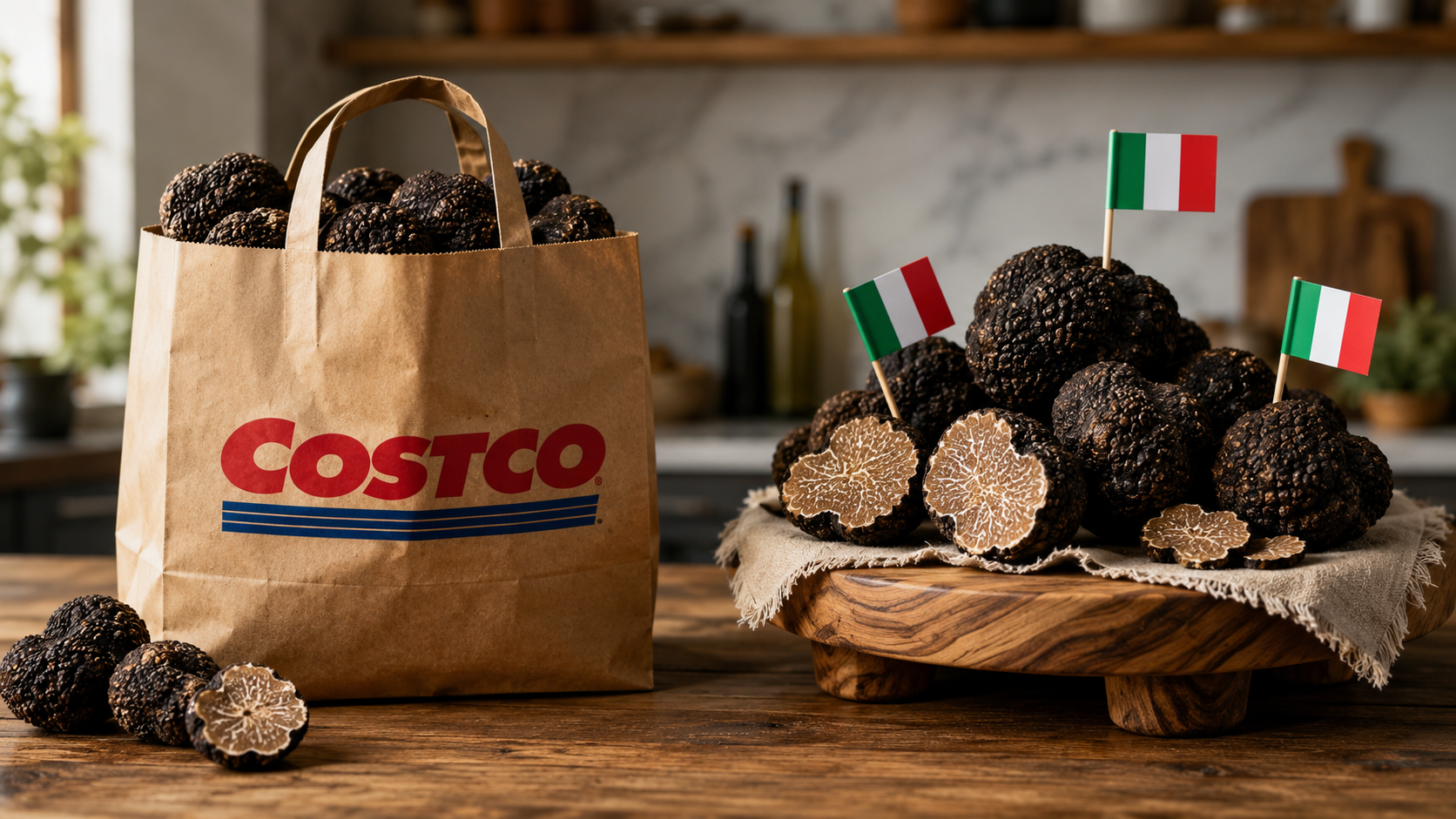
A practical label guide to truffle products, what common terms mean, what to look for, and how to choose authentic Italian truffle flavor for home cooking.
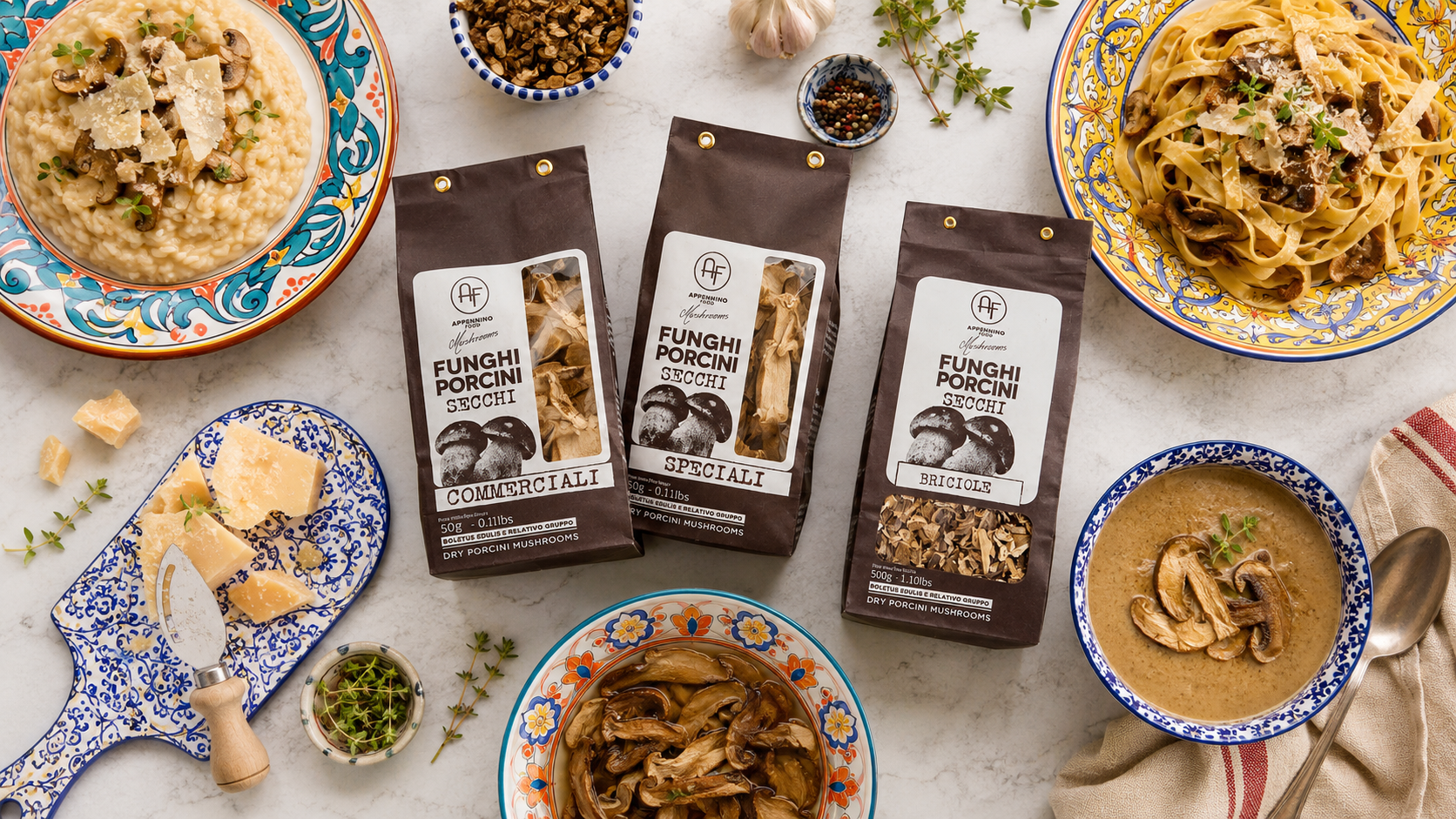
Dried porcini mushrooms bring deep, earthy Italian flavor to risotto, pasta, sauces, soups, and roasts. Learn how to rehydrate them correctly, use the soaking liquid, and choose the right Appennino...