
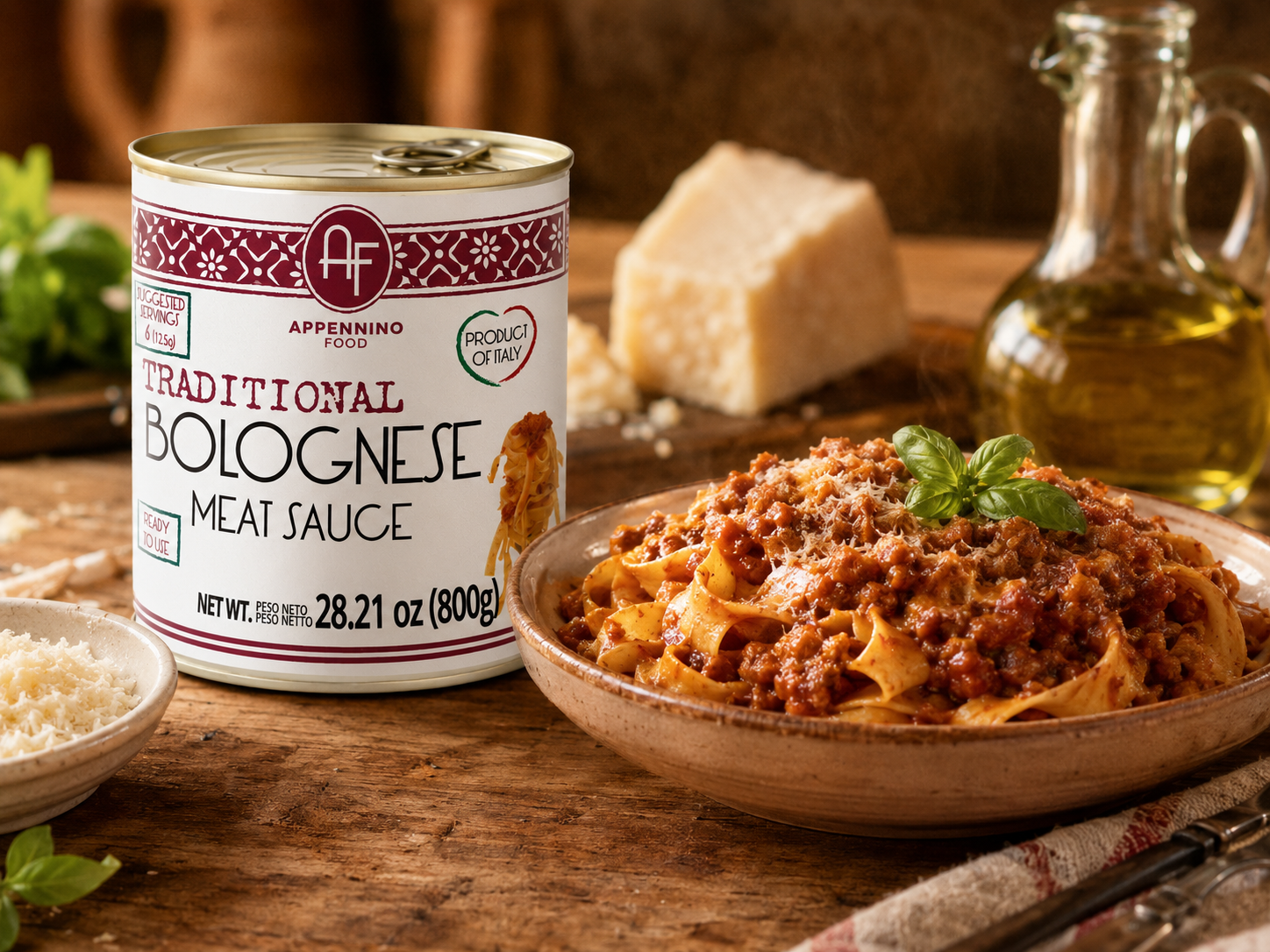
Best Italian Bolognese Sauce for Restaurant-Style Pasta at Home
The best Italian Bolognese sauce for restaurant-style pasta should taste rich, slow-cooked, savory, and balanced. It should be meat-forward, not watery, not overly sweet, and not treated like a basic tomato sauce. The right Bolognese should cling to wide pasta, add depth to lasagna, and make a simple dinner feel like something you would order at a good Italian restaurant.
For a fast premium dinner at home, start with Appennino Premium Traditional Ragu' Bolognese and pair it with a wide pasta like Appennino Pappardelle. The sauce brings the richness, the pasta brings the texture, and the final touch is simple: a little pasta water, Parmigiano Reggiano, and enough restraint to let the ragu speak for itself.
Key takeaways
- The best Italian Bolognese sauce is not just tomato sauce with meat, it should be rich, slow-cooked, savory, and built around depth.
- Wide pasta makes Bolognese taste better, because pappardelle and tagliatelle hold hearty ragu better than thin spaghetti.
- Restaurant-style pasta comes from technique, warm the sauce gently, toss it with pasta water, and finish with cheese.
- Bolognese is perfect for more than pasta, especially lasagna, baked pasta, polenta, and stuffed vegetables.
- Appennino Premium Traditional Ragu' Bolognese is the easiest shortcut when you want a rich Italian dinner without making sauce from scratch.
What makes the best Italian Bolognese sauce?
A great Bolognese sauce should taste like it was built slowly. It should have meat flavor, gentle sweetness from vegetables, tomato depth, and enough fat to feel round without becoming heavy. The best versions do not taste like a bright marinara with meat added at the end. They taste deeper, warmer, and more complete.
That is the difference between a basic meat sauce and a true Italian-style ragu. A simple meat sauce can be tomato first. Bolognese should be ragu first. The meat, vegetables, tomato, and cooking time work together to create a sauce that is rich enough for wide pasta and structured enough for lasagna.
This is why Appennino Premium Traditional Ragu' Bolognese is a strong pantry product for people who want Italian restaurant flavor without spending hours at the stove. It is made for classic dishes like tagliatelle, pappardelle, and Lasagne al Forno, not just a quick bowl of spaghetti.
Bolognese sauce vs regular meat sauce
Many people use the words Bolognese and meat sauce as if they mean the same thing, but they are not always the same. A regular meat sauce is often tomato-heavy, looser, and lighter. Bolognese is usually richer, thicker, and more focused on the savory depth of the ragu.
| Sauce type | Flavor profile | Best pasta pairing | What to buy at Appennino |
|---|---|---|---|
| Traditional Bolognese ragu | Rich, savory, slow-cooked, meat-forward | Pappardelle, tagliatelle, lasagna | Premium Traditional Ragu' Bolognese |
| Sausage tomato sauce | Tomato-rich, savory, slightly rustic | Rigatoni, penne, polenta | Tomato Sauce with Onion and Salsiccia |
| Cacio e Pepe sauce | Creamy, cheesy, peppery | Tonnarelli, spaghetti, rigatoni | Cacio e Pepe Sauce |
| Truffle sauce | Earthy, aromatic, rich | Tagliatelle, risotto, crostini | Truffle Products |
If you want a comfort dish with depth, choose Bolognese. If you want a brighter tomato and sausage pasta, choose salsiccia sauce. If you want creamy Roman-style pasta, choose Cacio e Pepe Sauce. For a pantry that can make several different Italian dinners, keep more than one style ready.
The best pasta for Bolognese sauce
The best pasta for Bolognese is wide enough to carry the sauce. This is where many home cooks lose the restaurant-style result. A thin pasta can taste fine, but a hearty ragu needs surface area. Wide pasta lets the sauce cling, so every bite has pasta, meat, tomato, and richness together.
Pappardelle is one of the easiest upgrades because the wide ribbons feel generous and hold a meat sauce beautifully. Tagliatelle is another classic choice. Rigatoni can also work well because the sauce catches inside the tube and along the ridges.
Best pasta shapes for Bolognese
- Pappardelle, best for a rich, restaurant-style bowl.
- Tagliatelle, a classic choice for traditional ragu.
- Rigatoni, good for baked pasta and hearty weeknight dinners.
- Lasagna sheets, best for Lasagne al Forno.
- Gnocchi, soft, comforting, and rich, especially with a smaller amount of sauce.
For the cleanest Appennino pairing, use Premium Traditional Ragu' Bolognese with Pappardelle. That combination is simple, but it gives the meal a better shape, texture, and finish than a thin pasta with too much sauce poured on top.
How to make restaurant-style pasta Bolognese at home
Restaurant-style pasta is not about adding a long list of ingredients. It is about finishing the pasta correctly. The sauce should be warmed in a pan, the pasta should be cooked until al dente, and the two should be tossed together with a little pasta water until glossy.
Do not simply boil pasta, drain it completely, place it in a bowl, and pour sauce over the top. That gives you pasta and sauce sitting next to each other. For a better result, finish them together in the pan so the ragu coats the pasta.
Simple restaurant-style method
- Bring salted water to a boil.
- Warm the Bolognese gently in a wide pan.
- Cook the pasta until al dente.
- Reserve a small cup of pasta water before draining.
- Add the pasta directly into the pan with the sauce.
- Toss with a splash of pasta water until the sauce coats the pasta.
- Finish with Parmigiano Reggiano and black pepper.
The pasta water matters because it helps the sauce loosen and cling at the same time. Add only a little at first. You want the pasta glossy, not watery. This small step is one of the easiest ways to make prepared Bolognese taste more like a restaurant dish.
How much Bolognese sauce should you use?
The best pasta Bolognese should not be buried under sauce. A premium ragu is rich, so you usually need less than you think. The goal is to coat the pasta, not flood the plate.
For a smaller dinner, use enough sauce to cover the pasta lightly once tossed. For a richer meal, add more sauce at the end, but do it gradually. If the plate looks like a bowl of sauce with pasta hidden inside, it is probably too much.
For family meals, baked pasta, or lasagna, the larger size of Premium Traditional Ragu' Bolognese makes sense. For a quick dinner for one or two, the smaller size is easier to use without leftovers.
Best ways to serve premium Bolognese sauce
Bolognese is most famous with pasta, but a good ragu can do more. Because it is rich and savory, it pairs well with simple bases that let the sauce lead.
| Dinner idea | Why it works | Finishing touch | Best Appennino pairing |
|---|---|---|---|
| Pappardelle Bolognese | Wide pasta carries the ragu beautifully | Parmigiano Reggiano and black pepper | Pappardelle |
| Lasagne al Forno | The sauce gives structure and depth to each layer | Béchamel and Parmigiano | Traditional Ragu' Bolognese |
| Bolognese over polenta | Creamy polenta balances the rich meat sauce | Olive oil and grated cheese | Italian Pantry |
| Baked rigatoni Bolognese | The oven makes the sauce deeper and more comforting | Mozzarella and Parmigiano | Traditional Ragu' Bolognese |
| Bolognese crostini | Toasted bread turns a small spoonful of ragu into an appetizer | Parmigiano and parsley | Pantry Staples |
How to make Bolognese taste more premium
If you start with a good sauce, do not overcomplicate it. The fastest way to make Bolognese taste premium is to treat it with restraint. Warm it slowly, use the right pasta, toss everything together properly, and finish with quality ingredients.
Use Parmigiano Reggiano
Cheese adds salt, depth, and a more complete finish. Add it at the table or during the final toss, but do not bury the ragu under cheese.
Add a small drizzle of extra-virgin olive oil
A little olive oil can make the final pasta feel glossier and more generous. Use it lightly so the sauce stays balanced.
Serve with a simple salad
A rich Bolognese pasta benefits from something fresh on the side. Dress greens with olive oil and Balsamic Vinegar of Modena Goccia Bronzo for a cleaner contrast.
Keep truffle products separate
Truffle can be beautiful, but not every Italian dish needs it. With Bolognese, the ragu should be the star. If you want to serve truffle in the same meal, use it as an appetizer, with potatoes, eggs, crostini, or a cheese board from the Truffle Products Collection.
What to serve with pasta Bolognese
Pasta Bolognese is rich, so the best sides are simple. You do not need another heavy dish next to it. A restaurant-style meal at home can be built with pasta, salad, bread, and one small appetizer.
- Simple green salad, dressed with olive oil and balsamic vinegar.
- Rustic bread, toasted or warmed for the table.
- Roasted vegetables, especially zucchini, eggplant, mushrooms, or cauliflower.
- Parmigiano Reggiano, served at the table for finishing.
- Small cheese board, especially if you want to make the meal feel more complete.
For a full Appennino dinner, serve Pappardelle with Premium Traditional Ragu' Bolognese, then add a salad with Goccia Bronzo Balsamic Vinegar of Modena. If you want an appetizer, keep it simple with crostini, cheese, or a small antipasto board.

Recommended product: Premium Traditional Ragu' Bolognese
A rich Italian ragu for pappardelle, tagliatelle, lasagna, baked pasta, polenta, and restaurant-style dinners at home.
View productIs jarred Bolognese sauce worth it?
Jarred Bolognese sauce is worth it when it saves time without making the meal taste generic. The key is choosing a sauce that feels like ragu, not thin tomato sauce. Look for real meat, vegetables, a balanced texture, and a flavor profile that works with wide pasta or lasagna.
A premium prepared Bolognese is not meant to replace the experience of making a Sunday ragu from scratch. It is meant to give you a strong dinner option when you want the result without the hours of cooking. That is the use case: better weeknight pasta, faster lasagna, richer baked pasta, and an easy Italian pantry dinner.
If you want variety in the pantry, pair Bolognese with other ready-to-use Italian sauces, such as Cacio e Pepe Sauce or Tomato Sauce with Onion and Salsiccia. That gives you different dinner styles without relying on the same sauce every time.
Common mistakes when making pasta Bolognese at home
Even with a good sauce, technique matters. Avoid these mistakes if you want the finished dish to feel more like restaurant pasta.
Using spaghetti by default
Spaghetti is not the best shape for a hearty ragu. Use pappardelle, tagliatelle, rigatoni, or lasagna sheets for a better sauce-to-pasta balance.
Pouring sauce on top instead of tossing
Restaurant-style pasta is finished together. Warm the sauce in a pan, add the pasta, and toss with a small splash of pasta water.
Using too much sauce
More sauce does not always mean better pasta. A rich Bolognese should coat the pasta, not bury it.
Heating the sauce too aggressively
Warm the sauce gently. High heat can make the sauce reduce too quickly and feel heavy or dry.
Adding too many extra ingredients
A good Bolognese already has depth. Keep the finish simple with cheese, black pepper, and maybe a little olive oil.
Frequently asked questions
What is the best Italian Bolognese sauce for pasta?
The best Italian Bolognese sauce for pasta should be rich, savory, slow-cooked, and thick enough to cling to the noodles. For a premium pantry option, Appennino Premium Traditional Ragu' Bolognese is made for classic pairings like tagliatelle, pappardelle, and lasagna.
What pasta goes best with Bolognese sauce?
Wide pasta works best with Bolognese sauce. Pappardelle and tagliatelle are ideal because their broad surface holds the ragu, while rigatoni and lasagna sheets also work well.
Is Bolognese sauce the same as meat sauce?
Not exactly. A regular meat sauce is often more tomato-forward, while Bolognese is usually richer, thicker, and more focused on slow-cooked meat flavor.
Can you use Bolognese sauce for lasagna?
Yes. Bolognese is one of the best sauces for lasagna because it adds structure, richness, and deep flavor between the pasta layers.
How do you make jarred Bolognese sauce taste restaurant-style?
Warm it gently in a pan, toss it with al dente pasta and a splash of pasta water, then finish with Parmigiano Reggiano. The technique matters as much as the sauce.
Should Bolognese sauce be thick?
Yes, Bolognese should be thick enough to cling to pasta. If it feels too thick while tossing, add a small splash of pasta water to loosen it.
Can I serve Bolognese with polenta?
Yes. Soft polenta is a great base for Bolognese because it is mild, warm, and creamy. It lets the ragu stand out without competing with it.
What cheese should I use with Bolognese?
Parmigiano Reggiano is the best classic finishing cheese for Bolognese. Use it at the end so it adds depth without overpowering the sauce.
Is premium Bolognese sauce good for weeknight dinners?
Yes. A premium prepared Bolognese sauce is useful because it gives you the flavor of a slow-cooked ragu without needing hours of preparation.
What should I buy with Appennino Bolognese sauce?
Pair it with Appennino Pappardelle for the easiest restaurant-style pasta dinner. You can also add balsamic vinegar for salad and another pantry sauce for variety.
Ready to make restaurant-style Bolognese at home?
Start with Appennino Premium Traditional Ragu' Bolognese, pair it with wide Italian pasta, and finish it properly in the pan for a rich, comforting dinner without cooking ragu from scratch.
Shop Premium Traditional Ragu' BologneseRead more
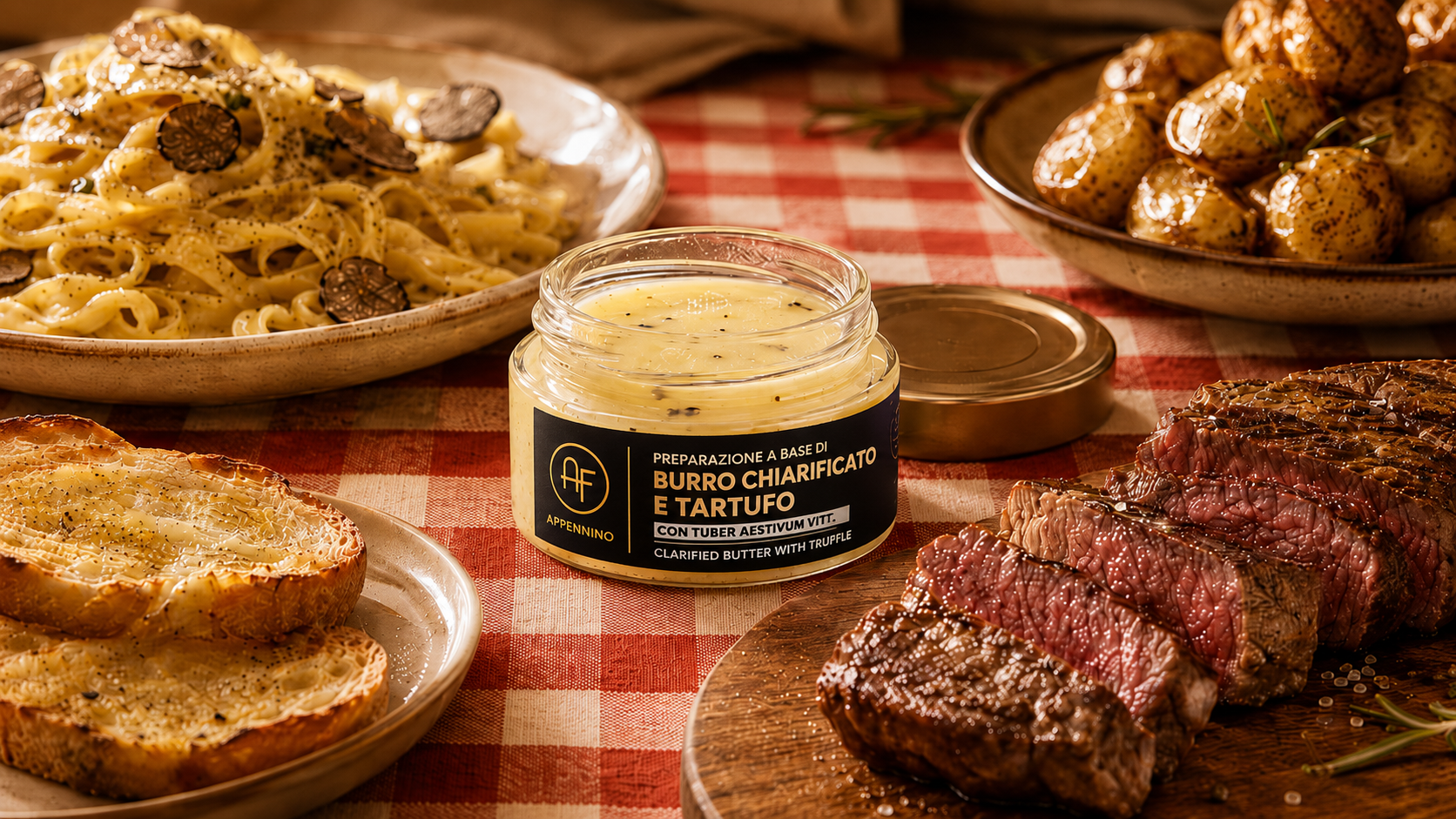
Truffle butter is one of the easiest ways to add rich Italian truffle flavor to simple home cooking. Learn how to use it on pasta, steak, potatoes, bread, risotto and vegetables.
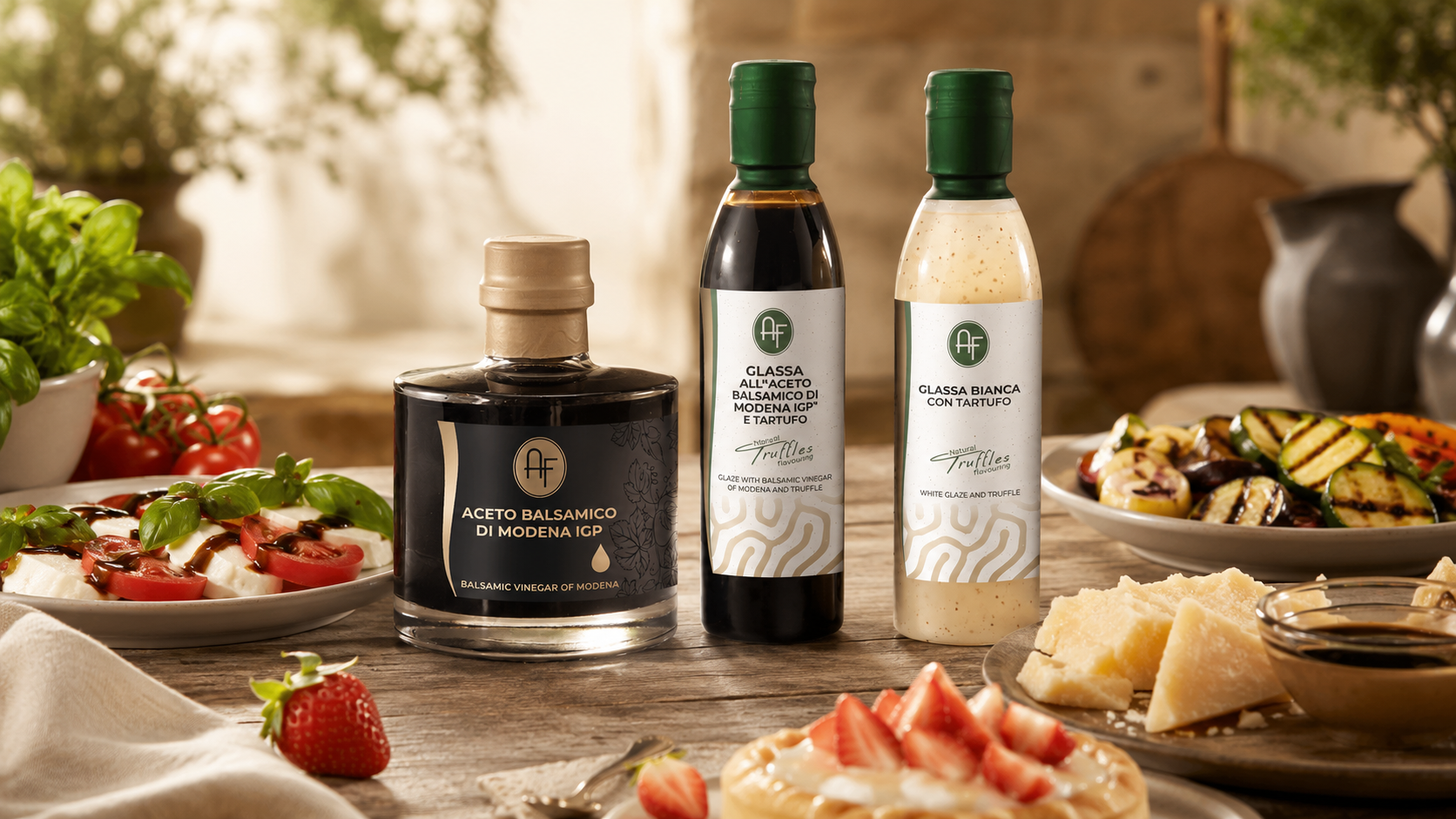
Balsamic vinegar is best when you want acidity, depth, and balance. Balsamic glaze is best when you want a sweet, glossy finishing touch that stays on the plate.