
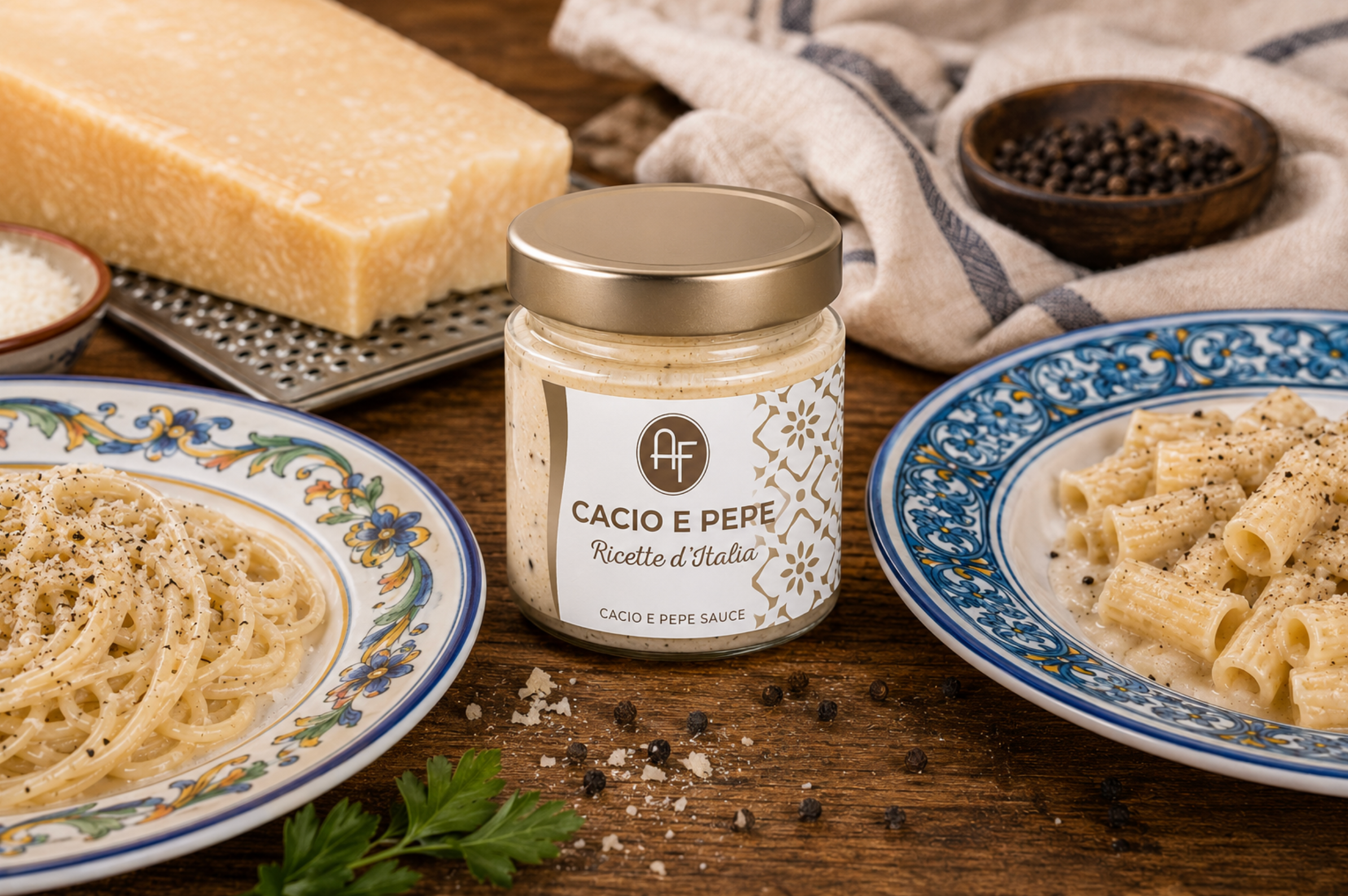
Ready-Made Cacio e Pepe Sauce: What to Look for in an Italian Jar
A good ready-made Cacio e Pepe sauce should taste first of Pecorino Romano and black pepper. It should be creamy enough to coat pasta, but it should not taste like a generic Alfredo or heavy cream sauce. When shopping for an Italian jar, the first things to check are the cheese, the percentage of cheese in the recipe, the presence of black pepper, and how simple the ingredient list is.
Appennino Cacio e Pepe Sauce is built around that idea. Its recipe contains 45% Pecorino Romano DOP, another 8.9% pecorino cheese, and black pepper. It is ready to use, so the goal is to give you the creamy character of the Roman pasta dish without having to emulsify freshly grated cheese and pasta water from scratch every time.
Key takeaways
- Pecorino Romano should lead the sauce, not cream, tomato, garlic, or a vague blend of cheeses.
- Check the percentage of cheese, because a high cheese content is a useful signal when comparing ready-made sauces.
- Black pepper should be clearly present, since it is one of the defining flavors of Cacio e Pepe.
- A ready-made sauce should be creamy but still taste distinctly of cheese and pepper, rather than like a neutral white pasta sauce.
- Heat it gently and finish it with the pasta, using a small amount of pasta water if needed to create a glossy coating.
What is Cacio e Pepe?
Cacio e Pepe is one of the best-known pasta dishes associated with Rome. The name translates simply to cheese and pepper, which tells you almost everything about the flavor profile.
The classic preparation relies on pasta, Pecorino Romano, black pepper, and starchy pasta water. The challenge is not the number of ingredients. The challenge is turning the cheese and pasta water into a smooth sauce without creating lumps or allowing the cheese to separate.
That simplicity is exactly why ingredient quality matters. There is nowhere for weak cheese or bland pepper to hide. The finished dish should be salty, savory, peppery, creamy, and intensely cheesy without needing tomato, garlic, herbs, or a long list of additional flavors.
What should you look for in a ready-made Cacio e Pepe sauce?
A jarred sauce will never have exactly the same formula as Cacio e Pepe prepared to order in a Roman trattoria. It has to remain stable in the jar and reheat reliably. But the ingredients can still tell you whether the producer is trying to preserve the character of the original dish.
| What to check | What you want to see | What to question | Appennino example |
|---|---|---|---|
| Cheese | Pecorino Romano clearly identified | Only generic cheese or cheese flavor | Pecorino Romano DOP plus additional pecorino |
| Cheese percentage | A substantial percentage of the sauce | Cheese appearing only in a very small amount | 45% Pecorino Romano DOP plus 8.9% pecorino |
| Pepper | Black pepper specifically listed | A sauce with barely noticeable pepper character | Black pepper 0.5% |
| Flavor profile | Cheesy, savory, peppery, creamy | Sweet, heavily garlicky, tomato-based, or herb-heavy | Focused on cheese and black pepper |
| Texture | Thick enough to cling to pasta but easy to loosen | Watery sauce or an extremely heavy cream texture | Ready-to-use creamy sauce |
Why Pecorino Romano matters
Pecorino Romano is central to the flavor people expect from Cacio e Pepe. It gives the sauce its salty, savory, assertive cheese character.
This is one of the easiest differences to spot when comparing jars. A label that simply says cheese does not tell you the same thing as a label that specifically identifies Pecorino Romano DOP.
Appennino's sauce uses Pecorino Romano DOP as 45% of the recipe, plus an additional 8.9% pecorino. That means more than half of the formula is identified as pecorino cheese before you even get to the pepper.
For shoppers trying to find an Italian ready-made sauce rather than a generic white pasta sauce, that is an important distinction.
What does DOP mean on Pecorino Romano?
DOP is a protected designation used for products whose identity is tied to a defined geographic area and production standard. On a Cacio e Pepe label, seeing Pecorino Romano DOP tells you specifically which protected Italian cheese is being used rather than leaving the cheese component vague.
That does not mean every good pasta sauce needs a protected ingredient. It does mean that when a product is trying to reproduce a dish built almost entirely around one cheese, clearly identifying that cheese gives the shopper much more useful information.
Should Cacio e Pepe sauce contain cream?
Traditional Cacio e Pepe does not need heavy cream to become creamy. The classic texture comes from cheese, pasta water, starch, heat, and proper mixing.
Ready-made sauces are different because they need to remain smooth in a jar and reheat consistently. That may require a stabilizing or emulsifying ingredient. The important question is whether the finished product still tastes primarily of pecorino and pepper.
Appennino's ingredient list uses water, Pecorino Romano DOP, additional pecorino, sodium citrate as an emulsifying salt, and black pepper. There is no heavy cream listed in the current recipe.
This helps keep the flavor closer to the cheese-and-pepper identity of Cacio e Pepe rather than shifting it toward a conventional cream sauce.
Why black pepper matters more than you think
It is easy to focus completely on the cheese, but the pepper is not a garnish. It is half of the name.
Black pepper brings aromatic heat and contrast to the salty richness of the Pecorino. Without enough pepper, the dish can taste like plain cheese pasta. Too much pepper can overpower the cheese.
When serving a prepared sauce, taste it before automatically adding more. You can always finish the plate with freshly cracked black pepper at the table if you want a stronger aroma.
Ready-made Cacio e Pepe vs generic cheese sauce
The easiest way to separate the two is to think about flavor priorities. A generic cheese sauce is designed primarily to be creamy and broadly appealing. Cacio e Pepe should have a much more recognizable personality.
| Sauce | Flavor | Typical focus | Best use |
|---|---|---|---|
| Cacio e Pepe | Salty, savory, peppery, intensely cheesy | Pecorino Romano and black pepper | Simple pasta where the sauce is the main flavor |
| Generic cheese sauce | Mild, creamy, broadly cheesy | Creaminess and general cheese flavor | Pasta, vegetables, casseroles, and general cooking |
| Truffle Alfredo sauce | Buttery, creamy, Parmigiano-rich, aromatic | Parmigiano Reggiano, butter, and truffle | Fettuccine, tagliatelle, gnocchi, chicken, vegetables |
If you want a richer sauce with butter, Parmigiano Reggiano, and truffle, Appennino Alfredo Sauce with Black Winter Truffle is a different style entirely. Cacio e Pepe is the better choice when you specifically want the Roman combination of pecorino and pepper.
How to cook with ready-made Cacio e Pepe sauce
The biggest mistake is treating the jar like a sauce that should simply be microwaved and poured over dry pasta. You will get a better result by finishing the pasta and sauce together.
- Bring a pot of water to a boil and salt it lightly.
- Cook the pasta until al dente.
- Reserve a cup of pasta water before draining.
- Warm the Cacio e Pepe sauce gently in a wide pan.
- Add the drained pasta directly to the sauce.
- Toss continuously so the sauce coats the pasta.
- Add a small splash of pasta water if the sauce needs loosening.
- Finish with freshly cracked black pepper and, if desired, a small amount of grated Pecorino Romano.
Do not boil the sauce aggressively. Gentle heat gives you more control over the texture and helps preserve the creamy consistency.
What pasta goes best with Cacio e Pepe sauce?
Tonnarelli and spaghetti are classic choices because the long strands work naturally with the creamy cheese sauce. Rigatoni is also excellent because the sauce collects inside the tubes and along the ridges.
Other pasta shapes can work when you are not trying to reproduce the Roman presentation exactly. Wide egg pasta such as Appennino Pappardelle creates a richer, broader bite and can be useful when you want the sauce to coat a substantial pasta.
Good pasta choices for ready-made Cacio e Pepe
- Tonnarelli: one of the most traditional choices.
- Spaghetti: simple, classic, and easy to find.
- Rigatoni: excellent for catching creamy sauce.
- Bucatini: substantial long pasta with plenty of texture.
- Pappardelle: a less traditional but rich option for a larger, egg-pasta bite.
How much sauce should you use?
Cacio e Pepe should coat the pasta rather than drown it. Because the sauce is rich in cheese, you may need less than you would use with a tomato sauce.
Start with a moderate amount in the pan and add more only after tossing. Pasta water can stretch and loosen the sauce without making the finished plate feel excessively heavy.
This approach also helps the sauce move into the grooves and around the pasta instead of sitting as a thick layer on top.
How to make jarred Cacio e Pepe taste more restaurant-style
Finish the pasta in the pan
This is the biggest upgrade. Tossing pasta with sauce allows the two components to become one dish instead of pasta plus sauce.
Use pasta water carefully
Add it a spoonful at a time. The goal is a glossy coating, not a watery plate.
Add freshly cracked pepper
A small amount at the end can add fresh pepper aroma without changing the structure of the sauce.
Do not overload it with ingredients
Cacio e Pepe works because it is simple. Garlic, tomato, several herbs, chicken, bacon, and vegetables can all be enjoyable in pasta, but adding everything at once moves the dish away from what makes Cacio e Pepe distinctive.
Serve it immediately
Cheese sauces thicken as they cool. Finish the pasta, plate it, and bring it to the table while the sauce is still glossy.
Can you customize ready-made Cacio e Pepe?
Yes, especially when you are using the sauce as a starting point rather than trying to reproduce the traditional dish exactly.
Mushrooms are one of the easiest additions because their earthy flavor works with pecorino and pepper. Rehydrated porcini can create a richer variation. The guide to dried porcini mushrooms for pasta and sauces explains how to prepare them and use the soaking liquid.
For another rich Italian pantry dinner, compare this style of cheese sauce with Appennino's Traditional Bolognese Meat Sauce guide. Bolognese is meat-forward and slowly cooked, while Cacio e Pepe is centered on cheese and pepper.
For a completely different way to add richness to pasta, the truffle butter guide explains how clarified truffle butter can be used as a finishing ingredient instead of a prepared sauce.
What else should you keep in an Italian sauce pantry?
A useful Italian pantry does not need ten versions of the same tomato sauce. It is more useful to keep sauces that create clearly different meals.
- Cacio e Pepe for a cheese-and-pepper pasta.
- Traditional Bolognese for a rich meat sauce.
- Tomato and sausage sauce for a brighter rustic pasta.
- Truffle Alfredo when you want a creamy truffle-forward dish.
- Truffle sauce for crostini, risotto, pasta, and savory finishing.
If you cook frequently with truffle products, the Appennino Natural Line adds several different finishing and sauce options without forcing every dinner into the same flavor profile.
The same principle applies to seasoning. The guide to Italian herbs is useful when deciding when additional herbs help a dish and when a simple sauce is better left alone.

Recommended product: Appennino Cacio e Pepe Sauce
Ready-to-use Cacio e Pepe made with 45% Pecorino Romano DOP, additional pecorino, and black pepper for a rich, creamy Italian pasta dinner at home.
View Cacio e Pepe SauceFrequently asked questions
What should be in a good Cacio e Pepe sauce?
A good Cacio e Pepe sauce should be centered on Pecorino Romano and black pepper. A ready-made version may also need water and an emulsifying ingredient to maintain a smooth texture in the jar.
Is jarred Cacio e Pepe sauce authentic?
A jarred sauce cannot reproduce the exact process of preparing Cacio e Pepe fresh in a Roman kitchen, but it can stay faithful to the flavor profile. Look for Pecorino Romano, black pepper, a strong cheese percentage, and a simple ingredient list.
What cheese is used in Cacio e Pepe?
Pecorino Romano is the defining cheese traditionally associated with Cacio e Pepe. Its salty, assertive flavor gives the dish much of its character.
Does traditional Cacio e Pepe contain cream?
Traditional Cacio e Pepe does not require heavy cream. Its creamy texture comes from combining cheese with starchy pasta water and controlling the temperature while mixing.
What pasta goes best with Cacio e Pepe?
Tonnarelli and spaghetti are classic choices. Rigatoni, bucatini, and other substantial pasta shapes also work well because they hold the creamy sauce effectively.
How do you heat ready-made Cacio e Pepe sauce?
Warm it gently in a pan rather than boiling it aggressively. Add cooked pasta directly to the sauce and use a small amount of reserved pasta water if you need to loosen the texture.
Can I add pasta water to jarred Cacio e Pepe?
Yes. A small amount of starchy pasta water can help loosen the sauce and create a glossy coating. Add it gradually so the sauce does not become watery.
Why should I look for Pecorino Romano DOP?
It tells you that the sauce specifically uses the protected Pecorino Romano cheese rather than an unidentified cheese blend. That is particularly useful in a dish whose flavor depends heavily on the cheese.
How can I make ready-made Cacio e Pepe taste better?
Finish the pasta and sauce together in a pan, use a small splash of pasta water, and add freshly cracked black pepper before serving. Keep additional ingredients restrained so the pecorino and pepper remain the main flavors.
Does Appennino Cacio e Pepe Sauce need to be refrigerated?
The current product instructions say to refrigerate the sauce after opening. Always follow the storage directions on the package you receive.
Ready for Cacio e Pepe without making the sauce from scratch?
Start with a sauce that puts Pecorino Romano and black pepper at the center, then finish it properly with al dente pasta and a little pasta water for a simple Italian dinner at home.
Shop Cacio e Pepe SauceRead more
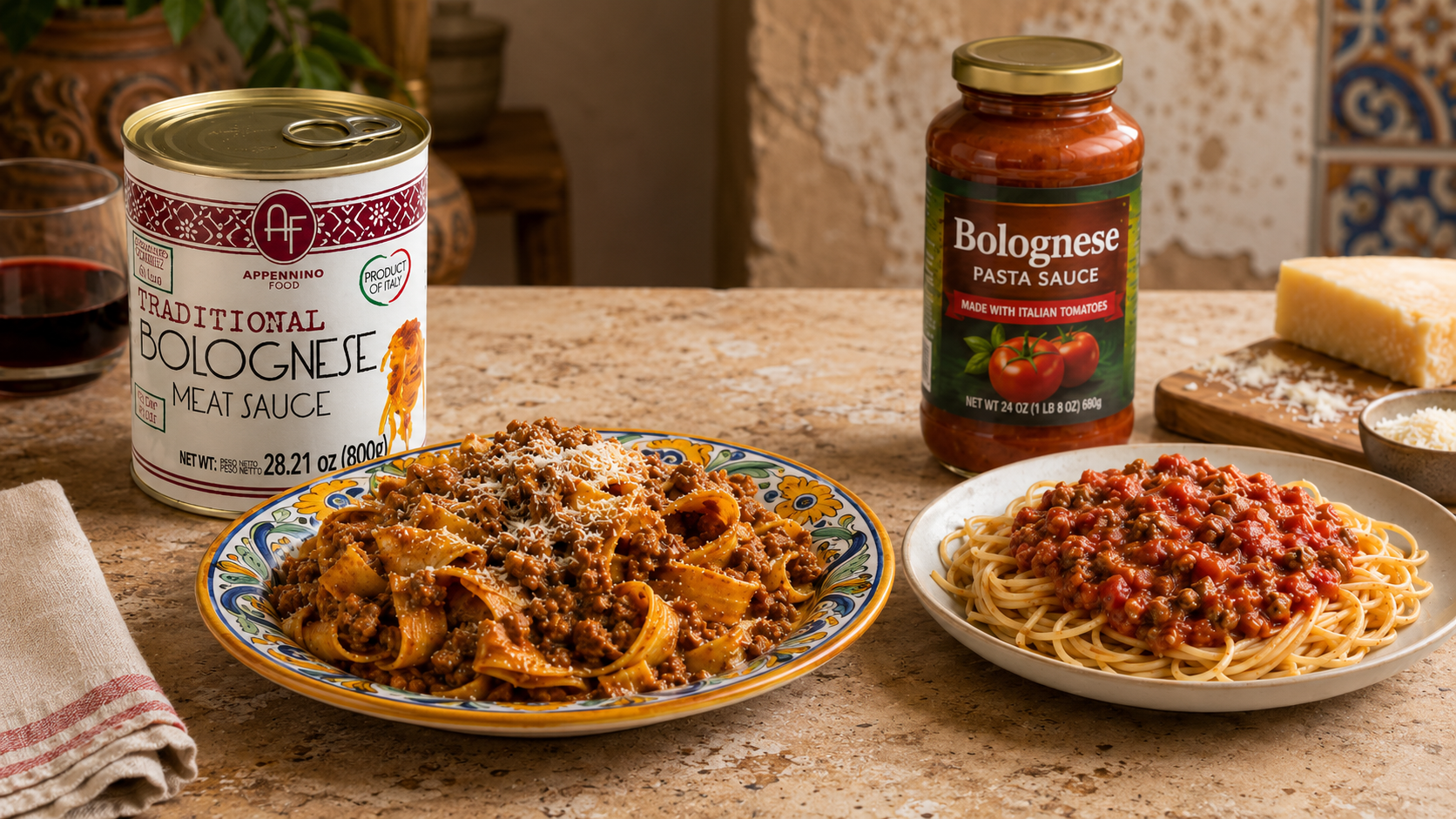
Traditional Bolognese meat sauce is richer, thicker, and more meat-forward than the tomato-heavy Bolognese pasta sauce commonly sold in supermarkets. Learn how to identify the difference and choose...
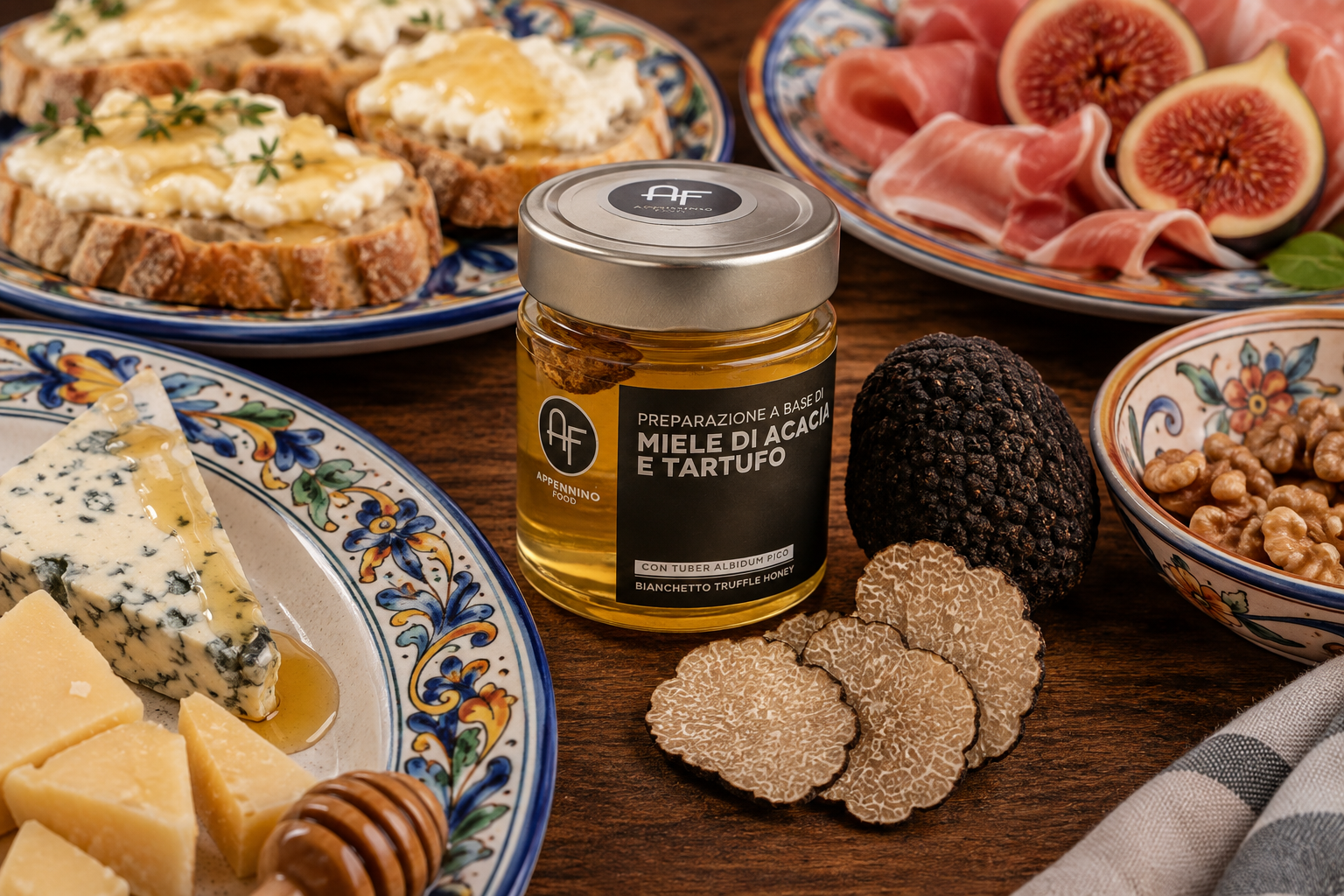
Truffle honey combines sweet honey with earthy truffle aroma for an easy sweet and savory finishing ingredient. Discover the best cheeses, pizzas, meats, breads, and desserts to pair with it.